
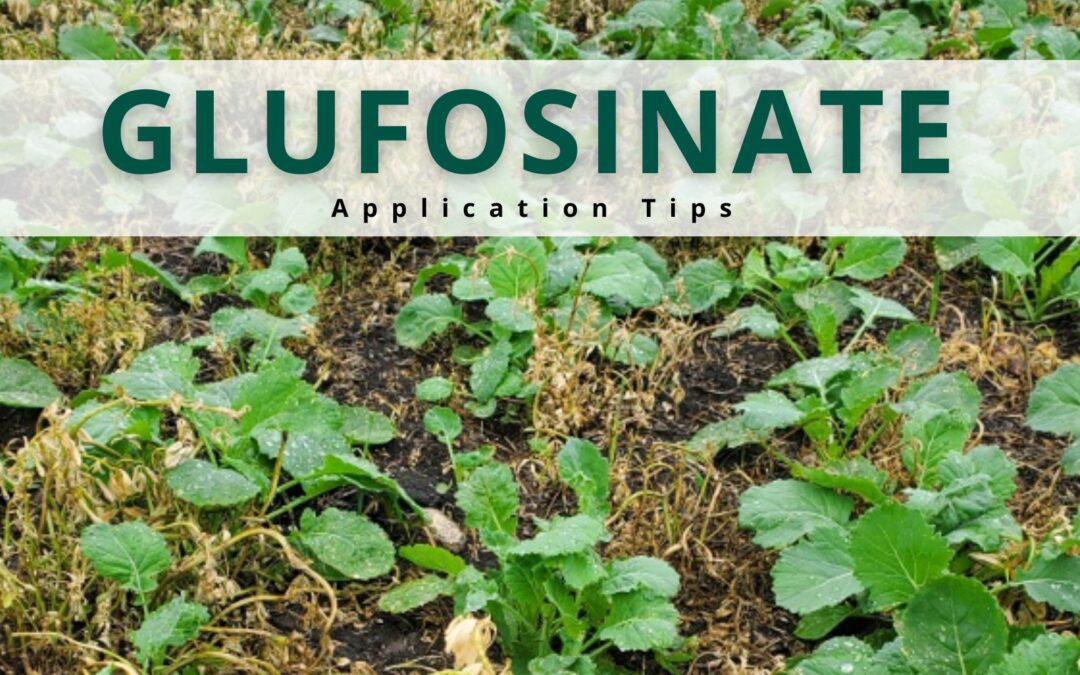
Glufosinate is an effective in-crop herbicide, but like any contact product, performance is heavily influenced by environmental conditions, application factors, and weed size. Understanding these factors can help maximize weed control and reduce the risk of disappointing results.
Environmental Conditions Matter
Glufosinate performs best when weeds are actively growing under warm, sunny conditions with adequate soil moisture. Under these circumstances, herbicide uptake and activity are typically rapid, resulting in visible injury within a few days.
When conditions are less favorable, such as extended cool weather, cloudy days, excessive wind, or frequent rainfall, weed control can be slower and less consistent. These conditions can also delay spraying opportunities, allowing weeds to grow beyond their ideal treatment stage.
Stress caused by cool temperatures can result in tougher leaf surfaces and thicker cuticles, making it more difficult for the herbicide to penetrate plant tissue. In some cases, weeds may become larger and harder to control, especially if no pre-seed or pre-emergent herbicide was used.
What Symptoms Should You Expect?
Because glufosinate is a contact herbicide, symptoms generally appear first on treated leaf tissue.
Typical symptoms include:
- Water soaked lesions on leaves
- Yellowing of plant tissue, known as chlorosis
- Progression to tissue death
Under ideal conditions, symptoms often become noticeable within three to five days after application. Warm temperatures, bright sunlight, high humidity, and adequate soil moisture generally accelerate symptom development.
Coverage Is Critical
One of the most important factors affecting glufosinate performance is spray coverage. Unlike systemic herbicides that move extensively throughout the plant, glufosinate primarily affects the tissue it contacts. Achieving thorough coverage of weed foliage is essential.
To improve results:
- Use adequate water volumes, with 15 to 20 gallons per acre often providing better coverage.
- Maintain appropriate spray pressure and droplet size.
- Ensure spray droplets can penetrate the crop canopy and reach lower leaves on target weeds.
Poor coverage can significantly reduce control, particularly on larger or dense weeds.
Consider Water Quality
Hard water can negatively impact herbicide performance. Minerals such as calcium, magnesium, iron, and sodium can interact with herbicide molecules, reducing their availability for plant uptake. In areas with hard water, adding ammonium sulfate (AMS) or Crimson® NG can help minimize these interactions. The ammonia component binds with the herbicide, improving uptake and reducing the impact of antagonistic minerals.
Water testing can help determine whether AMS is likely to provide a benefit and what rate may be required. Even when using soft or treated water, AMS can occasionally improve performance because mineral ions present on leaf surfaces may also interfere with herbicide activity.
Sunlight Drives Performance
Glufosinate works by disrupting key processes involved in photosynthesis and cell function. Because of this mode of action, sunlight plays an important role in maximizing herbicide activity.
Applications made during daylight hours generally provide the best results. Spraying early in the day allows weeds to receive several hours of sunlight after treatment, helping the herbicide work more effectively. Cloudy conditions or limited sunlight may slow symptom development and reduce overall performance.
Target Small, Actively Growing Weeds
Weed size remains one of the biggest determinants of success.
Smaller weeds are easier to control because they have fewer energy reserves and less developed root systems. Larger weeds can sometimes survive initial injury and regrow from underground reserves. This is particularly important in situations where pre-seed weed control was limited and weeds have gained a size advantage over the crop. Whenever possible, target weeds at the early growth stages recommended on the product label.
Selecting the Right Rate
Glufosinate labels provide a range of application rates based on weed spectrum, and weed size.
When determining the appropriate rate, consider:
- Target weed species
- Weed size and density
- Crop stage
- Environmental conditions
- Whether a pre seed herbicide application was made
Higher weed pressure and larger weeds generally require higher rates to achieve acceptable control. Always follow label directions for maximum yearly use rates and application timing restrictions.
Plan for Sequential Applications When Needed
Fields with heavy weed pressure, multiple weed flushes, or limited residual herbicide activity may benefit from a two pass strategy. A follow up application approximately 10 to 14 days after the first treatment can help manage later emerging weeds and improve overall season long control. This approach is particularly valuable when crop competition is slow to develop or weed populations are uneven.
Do Not Forget the Rainfast Period
Glufosinate requires time to be absorbed into plant tissue before rainfall occurs. A rain free period following application is essential to ensure maximum activity. Always consult the product label for rainfast requirements and application guidelines.
Grass Weed Considerations
While glufosinate provides broad spectrum activity on many weeds, grassy weed control may sometimes be improved by including an appropriate grass herbicide. Be sure to confirm tank mix compatibility with your local HFL rep before combining products.
Final Thoughts
Successful glufosinate applications come down to timing, coverage, and environmental conditions. Applying to small, actively growing weeds under warm, sunny conditions and using adequate water volumes will help optimize performance. As always, every field is different. If you have questions about glufosinate applications, weed staging, or tank mix partners, contact your local Horizon Fertilizers agronomist for field-specific recommendations.
